October 15, 2026 · Hurricane Prep
Hurricane season isn't over until November 30, and many of you are just getting back.
This has been a quieter season than most, but quiet isn't safe. Some of Florida's most destructive storms have come in October, and last week Hurricane Isaias rapidly intensified in the Gulf. If this is your first season as a Florida homeowner, here is what I wish someone had told me.
My first storm
I moved to Florida in January 2022. Hurricane Ian hit that September.
Everyone told me not to worry. They said the last major storm was Irma and big ones only come around every ten years or so. I believed them. Then Ian arrived, arguably the most destructive hurricane modern Fort Myers residents have ever experienced.
A relative gave me a preparation supply list and I followed it. I got the basics, including a generator, non-perishable food, extension cords, a battery radio, and water. What I was not prepared for was everything that came after and how much it would affect me.
I lost power for a week, and with it my cell signal and internet. I had cash, but I didn't realize how fast I would burn through it. I needed more gas than I planned for because I didn't know how long I would need to run the generator, and I had no idea gas stations could run out of fuel.
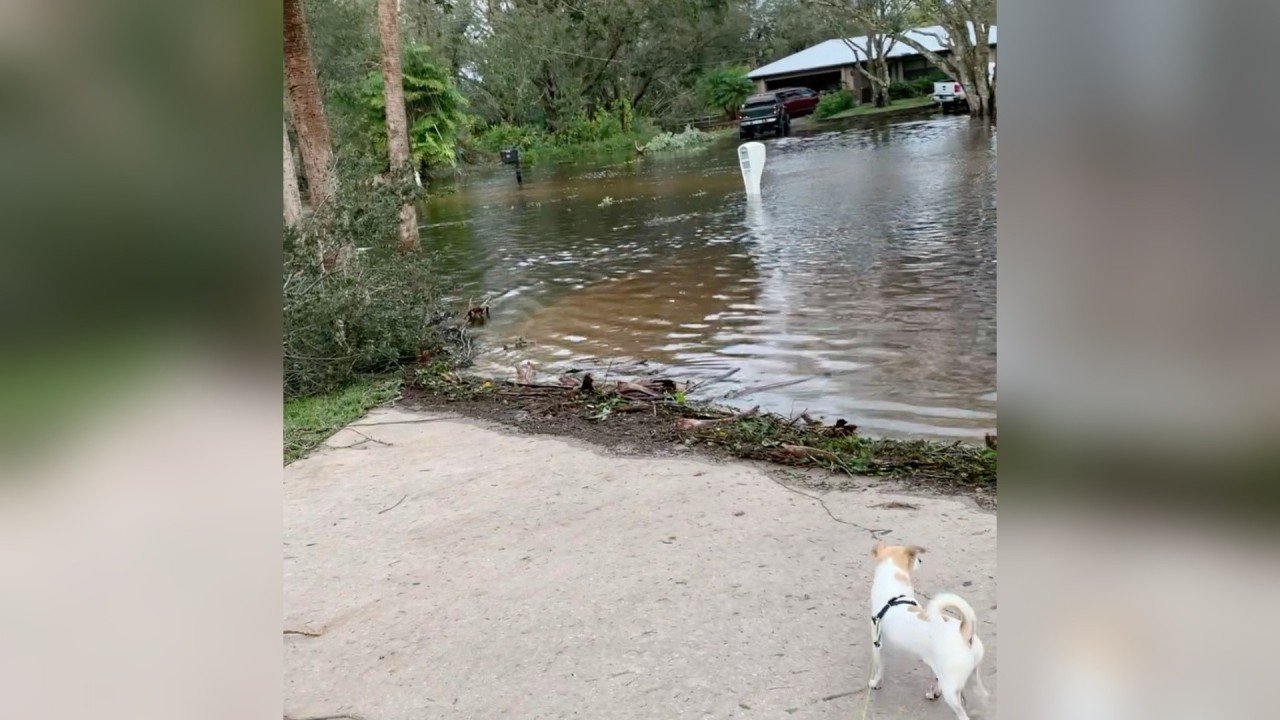
It was just me and my two chihuahua terriers. With no power and no cell service, I had no reliable way to reach anyone. No one to tell I was okay, or that I wasn't. No one to check in, not even my next-door neighbors.
I was overwhelmed with what I needed to do immediately after the storm. Filing claims, with no cell or internet to do it. Cleaning up the yard. I didn't know I was responsible for clearing all the debris to the curb. I didn't have the tools for it. I didn't even own a rake. By the time I was done, the pile stretched almost 100 feet long, 6 feet wide, and 5 feet deep. I didn't even know what I didn't know.
I'll be honest, and this is hard to admit as someone who now helps others prepare for storms and checks on their homes afterward: the hardest part was not the cleanup. It was the mental weight of feeling unprepared and not knowing what to do first. I wished someone had been looking out for me the way I look out for my clients now.
Seeing the images of destruction across Southwest Florida hit me harder than I expected. It still does. I was lucky. My home had minimal damage, while others lost everything, including their lives. I wanted to help, and I couldn't even help myself.
Not being ready for Ian didn't mean I'd failed. It showed me what I needed to know.
It also showed me this. I am someone who has to help. I couldn't help then, but I've made it my business to be ready, not just for my own home but for all my clients, and to help coordinate what comes after a storm.
What I would do before the next storm
You don't need a perfect plan. Work through the list that fits you, plus the ones for both, this week.
If you're here
- Check your supplies against the FEMA list at ready.gov/kit.
- Add a way to heat water or food without power, such as a camp stove or a hot pot plugged into your generator (generators and stoves outdoors only), for coffee, soup, and boiled water if there's a boil-water notice.
- If you have a generator, plan for more fuel than you think you'll need, and count your extension cords: fridge, deep freeze, fan, devices, hot pot.
- Have the tools to clear debris to the curb. Who could you call for help to move it?
- Share a set of walkie-talkies with a neighbor for when you lose cell service. My neighbors, who I've come to adore, and I exchange ours as part of our pre-storm check.
If you're not home
- Who will secure the outside before the storm so nothing becomes a projectile: furniture, plants, grills?
- Who will go to your home afterward and document what happened?
- If your roof leaks, who can tarp it until it's fixed?
For both
- Know your evacuation zone and where you would go if ordered to leave.
- Take pictures of your home before the storm, for insurance.
- Review your coverage, including flood, and make sure you're covered when your home is vacant. Flood policies often have a 30-day waiting period, so don't wait for a storm.
Who I call
I work with a local roofer who gives my clients priority response before and after named storms, including emergency tarping. If you need an insurance agent, I can introduce you to one I trust, who offers a free coverage review. You decide whether to use either.
You don't have to wonder what happened to your home. Pre-storm and post-storm checks, with photos, are available as an add-on service. Whether you're here for the season, traveling, or looking after a loved one's home, reach me at servicefirsthw.com or (239) 758-7878.
What I'd Do
Before the next storm
- Know your evacuation zone and where you'd go
- Photograph your home, inside and out, for insurance
- Review your coverage, including flood and vacancy
- Line up who secures your home before a storm and checks it after
- Plan extra fuel, cash, and a way to reach people without cell service
Service First Home Watch · (239) 758-7878 · servicefirsthw.com
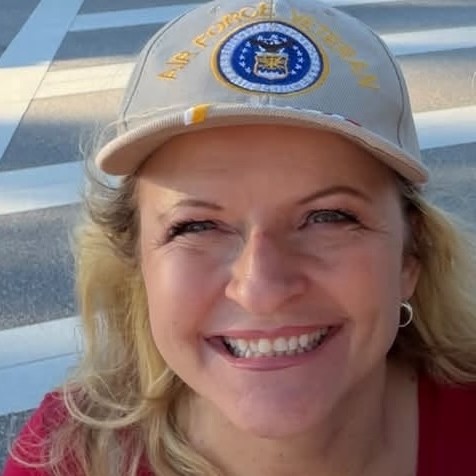
Service First Home Watch is U.S. Air Force Veteran-Owned and Woman-Owned, serving Fort Myers, Babcock Ranch, Lee County, and Charlotte County. My goal is simple: be the most trusted set of eyes on your Florida home while you're away.
We Watch. You Relax.
About Michele: U.S. Air Force veteran and owner of Service First Home Watch, serving Fort Myers, Babcock Ranch, Lee County, and Charlotte County. She moved here from Las Vegas in 2022, months before Hurricane Ian, and writes so others are better prepared than she was. Her chihuahua terriers, Blackjack and Sarah, supervise. Read her story →
Questions about your Florida home?
Whether you're here year-round, away for the season, or looking after a loved one's home, I'm happy to talk it through.
📞 Call (239) 758-7878Originally shared on LinkedIn.